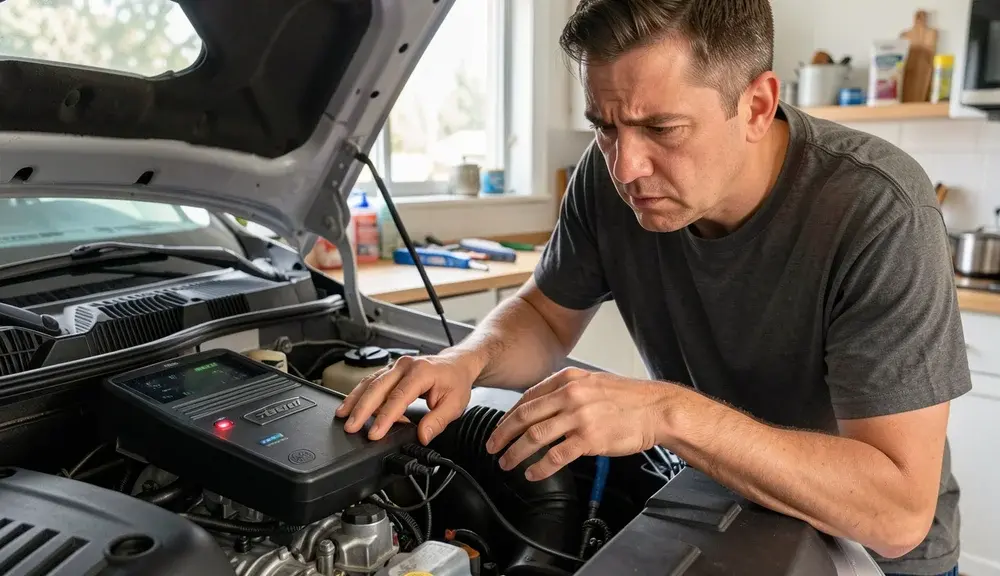
When considering a purchase as significant as a new truck, understanding potential issues is paramount. For many, the 2024 Ford F-150 engine problems are a key area of concern, especially given the truck’s popularity and reputation. Owners and prospective buyers alike want to know if there are common mechanical failures, performance quirks, or reliability concerns associated with the latest F-150 powertrains.
This post aims to provide a comprehensive overview of reported engine issues, helping you make an informed decision. We’ll break down the most frequently discussed problems, their potential causes, and what owners can do to mitigate them, ensuring your F-150 runs smoothly for years to come.
While the 2024 Ford F-150 generally boasts a reliable engine lineup, some owners have reported specific issues such as oil leaks, rough idling, and potential turbocharger problems, particularly with certain powertrain configurations. Early detection and proper maintenance are key to addressing these concerns.
1. Oil Leaks and Consumption Concerns
One of the more frequently discussed, albeit not widespread, issues with certain Ford F-150 engines, including those in the 2024 model year, revolves around oil leaks and increased oil consumption. While minor leaks can sometimes be attributed to worn seals or gaskets, more significant issues can point to problems with the oil pan, valve covers, or even internal engine components. This can lead to a noticeable drop in oil levels, potentially causing engine damage if not addressed promptly.
Owners may notice oil spots under their truck or a burning smell if oil is leaking onto hot engine parts.
Increased oil consumption, where the engine burns more oil than expected between scheduled maintenance intervals, can also be a symptom of deeper issues. This could involve worn piston rings, faulty valve seals, or problems with the PCV (Positive Crankcase Ventilation) system. The 3.5L EcoBoost engine has historically been a subject of discussion regarding oil consumption, and while Ford has made improvements over the years, it’s a point some owners remain vigilant about.
Monitoring your oil level regularly is crucial, especially during the break-in period and throughout the vehicle’s life.
- Common Leak Points: Valve covers, oil pan, crankshaft seals, oil filter housing.
- Symptoms of High Consumption: Blue exhaust smoke, low oil level warnings, need for frequent top-ups.
- Potential Causes: Worn seals/gaskets, PCV system issues, internal engine wear.
- Recommended Action: Regular oil level checks, immediate inspection if leaks are noticed, adherence to maintenance schedules.
| Issue | Likely Cause | Severity | Mitigation |
|---|---|---|---|
| Minor Oil Leaks | Worn gaskets/seals | Low to Medium | Regular inspection, timely seal replacement |
| High Oil Consumption | PCV system, internal wear | Medium to High | Monitor oil levels, professional diagnosis |
Addressing oil leaks and consumption promptly is vital to prevent more serious engine damage and maintain optimal performance.
2. Rough Idling and Misfire Issues
Another concern that surfaces among some F-150 owners, including those with 2024 models, is the occurrence of rough idling or engine misfires. This can manifest as a noticeable shudder or vibration when the truck is at a standstill, or a hesitation and stumble during acceleration. When an engine misfires, it means one or more cylinders are not combusting fuel properly, leading to uneven power delivery.
This can be caused by a variety of factors, ranging from simple maintenance issues to more complex component failures.
Common culprits for rough idling and misfires include fouled spark plugs, faulty ignition coils, dirty fuel injectors, or vacuum leaks. In turbocharged engines like Ford’s EcoBoost variants, issues with the turbocharger system, such as a failing wastegate or a clogged intercooler, can also contribute. Modern F-150s have sophisticated engine management systems, and sometimes these systems can be overly sensitive to minor fluctuations, leading to diagnostic trouble codes (DTCs) even when the underlying issue is minor.
Regular tune-ups and keeping up with recommended service intervals are the best preventative measures.
- Symptoms: Shaking at idle, hesitation during acceleration, check engine light, reduced fuel economy.
- Potential Causes: Spark plugs, ignition coils, fuel injectors, vacuum leaks, PCV valve.
- For Turbocharged Engines: Turbocharger issues, intercooler clogs.
- Diagnostic Tools: OBD-II scanner for DTCs, professional diagnostic equipment.
Warning: Ignoring a persistent rough idle or misfire can lead to increased fuel consumption, reduced engine power, and potentially severe engine damage over time. Always have these symptoms diagnosed and repaired promptly.
3. Turbocharger Performance and Reliability
Ford’s EcoBoost engine technology, which utilizes turbochargers to enhance power and efficiency, is a hallmark of the F-150 lineup. While generally robust, turbochargers are complex mechanical components that can be susceptible to issues over time, particularly in high-stress applications like towing and hauling. For the 2024 F-150, owners have reported occasional concerns related to turbocharger performance, such as a lack of boost, delayed response (turbo lag), or unusual noises like whistling or grinding sounds.
These symptoms can significantly impact the truck’s overall performance and towing capability.
The lifespan and reliability of a turbocharger are heavily influenced by maintenance practices. For instance, using the correct type and grade of oil is critical, as turbos rely on oil for lubrication and cooling. Clogged oil lines or infrequent oil changes can lead to premature wear.
Additionally, extreme heat cycles and debris entering the turbocharger can cause damage. Issues with the turbo’s wastegate, which controls boost pressure, or problems with the intercooler (responsible for cooling the compressed air from the turbo) can also lead to performance deficits.
- Symptoms: Reduced acceleration, whistling/grinding noises, lack of power under load, increased exhaust smoke.
- Key Components: Turbocharger unit, wastegate, intercooler, oil supply lines, exhaust manifold.
- Maintenance Factors: Regular oil changes with correct oil type, proper engine cool-down after hard driving.
- Potential Failures: Bearing wear, seal leaks, cracked housing, stuck wastegate, intercooler leaks.
| Symptom | Possible Cause | Impact | Solution |
|---|---|---|---|
| Lack of Boost | Wastegate issue, boost leak, turbo failure | Reduced power, poor towing | Turbo inspection, boost leak test, wastegate adjustment/replacement |
| Whistling Noise | Exhaust leak, damaged turbine wheel | Potential performance loss | Exhaust system check, turbo inspection |
Proper care and timely servicing are essential for maximizing the lifespan and performance of the F-150’s turbochargers.
4. Cooling System and Overheating Concerns
While not exclusively an engine problem, issues within the cooling system can directly lead to engine overheating, which is a critical failure point. For the 2024 Ford F-150, owners might encounter problems related to the radiator, water pump, thermostat, or cooling fan. Overheating can cause significant damage, including warped cylinder heads, blown head gaskets, and even catastrophic engine failure.
It’s particularly a concern for trucks that are frequently used for heavy towing or in demanding climates where ambient temperatures are high.
The cooling system works by circulating coolant through the engine to absorb heat, then through the radiator to dissipate that heat into the air. If any part of this system is compromised, the engine’s temperature can rise rapidly. For example, a failing water pump may not circulate coolant effectively, a clogged radiator can’t dissipate heat properly, and a faulty thermostat can get stuck closed, preventing coolant flow.
Regular checks of the coolant level and condition are crucial. Using the manufacturer-recommended coolant type and ensuring the system is properly bled of air are also vital steps in preventing overheating.
- Components: Radiator, water pump, thermostat, coolant hoses, cooling fan, coolant reservoir.
- Causes of Overheating: Low coolant level, faulty thermostat, water pump failure, radiator blockage, cooling fan malfunction, coolant leaks.
- Symptoms: Temperature gauge rising to red, steam from under the hood, sweet smell of burning coolant.
- Preventative Measures: Regular coolant level checks, periodic coolant flushes, inspection of hoses and belts.
Important: If your F-150’s temperature gauge starts climbing into the red zone, pull over safely as soon as possible and shut off the engine to prevent severe damage. Do not continue driving an overheating vehicle.
5. Fuel System and Injector Issues
The fuel system is another area where potential issues can arise, impacting engine performance and longevity. For the 2024 Ford F-150, particularly models equipped with direct injection systems, problems with fuel injectors or the fuel pump can lead to a range of symptoms. Direct injection systems deliver fuel directly into the combustion chamber, allowing for more precise control but also potentially being more sensitive to fuel quality and cleanliness.
Clogged or failing fuel injectors can result in poor fuel atomization, leading to incomplete combustion and a variety of drivability issues.
Symptoms of fuel system problems can include a rough idle, misfires, reduced engine power, poor fuel economy, and difficulty starting the engine. A failing fuel pump might not deliver adequate fuel pressure, starving the engine under load. In direct injection systems, carbon buildup on the injectors is a common concern, especially with certain fuel formulations or driving habits.
Using high-quality fuel and adhering to recommended fuel system cleaning intervals can help mitigate these issues. Regular checks of fuel pressure and injector performance by a qualified technician are also important.
- Components: Fuel pump, fuel filter, fuel injectors (port or direct injection), fuel pressure regulator.
- Symptoms: Misfires, rough idle, poor acceleration, check engine light, fuel smell.
- Causes: Clogged injectors, weak fuel pump, fuel contamination, carbon buildup.
- Maintenance: Use quality fuel, regular fuel filter replacement, periodic injector cleaning.
| Problem Area | Common Symptoms | Potential Fixes | Preventative Steps |
|---|---|---|---|
| Fuel Injectors | Misfires, rough idle, poor fuel economy | Injector cleaning, injector replacement | Use quality fuel, periodic injector service |
| Fuel Pump | Hard starting, engine stall, loss of power | Fuel pump replacement | Keep fuel tank above 1/4 full, use quality fuel |
Regular maintenance of the fuel system is crucial for maintaining engine health and ensuring consistent performance.
6. Exhaust System Leaks and Catalytic Converter Issues
While not directly part of the engine’s internal combustion process, issues with the exhaust system, particularly leaks or problems with the catalytic converter, can indirectly affect engine performance and diagnostics. Exhaust leaks, often occurring at manifold gaskets or pipe joints, can lead to a noticeable ticking or puffing sound, especially when the engine is cold. These leaks can also cause the engine’s oxygen sensors to receive incorrect readings, potentially leading to an improper air-fuel mixture and impacting fuel efficiency or causing drivability issues.
The catalytic converter is a critical emissions control device that converts harmful exhaust gases into less harmful substances. Over time, especially with exposure to contaminants or severe engine misfires that send unburnt fuel into the exhaust, the catalytic converter can become clogged or fail. A clogged converter restricts exhaust flow, leading to a significant loss of power, especially at higher RPMs.
Symptoms can include sluggish acceleration, a sulfurous smell (rotten eggs), or a check engine light indicating insufficient catalytic converter efficiency. Regular servicing and ensuring the engine is running smoothly are key to protecting this component.
- Common Leak Points: Exhaust manifold gaskets, pipe flanges, muffler connections.
- Symptoms of Leaks: Ticking or puffing noise, exhaust smell in the cabin, reduced performance.
- Catalytic Converter Issues: Clogging, physical damage, failure to convert gases.
- Symptoms of Converter Failure: Reduced power, sulfur smell, check engine light (P0420 code common).
Addressing exhaust system leaks promptly can prevent misreadings by oxygen sensors and help maintain optimal engine performance and fuel economy.
7. Software Glitches and Sensor Malfunctions
In today’s highly computerized vehicles, software glitches and sensor malfunctions are becoming increasingly common causes of perceived engine problems. The 2024 Ford F-150 relies on a complex network of sensors to monitor everything from engine temperature and air-fuel ratios to throttle position and wheel speed. If one of these sensors fails or sends inaccurate data, the engine control module (ECM) can make incorrect adjustments, leading to a variety of symptoms that might mimic actual mechanical failures.
For instance, a faulty Mass Airflow (MAF) sensor can cause the engine to run too rich or too lean, leading to poor performance and fuel economy. A malfunctioning oxygen sensor can disrupt the air-fuel mixture control, triggering a check engine light. Even minor software bugs within the ECM can sometimes lead to temporary issues like rough idling or hesitation that might resolve themselves with a system reset or a software update.
Ford regularly releases software updates for its vehicles to address known issues and improve performance. It’s important to ensure your F-150’s software is up-to-date, as recommended by the dealership.
- Key Sensors: MAF sensor, O2 sensors, crankshaft position sensor, camshaft position sensor, throttle position sensor, engine coolant temperature sensor.
- Common Malfunctions: Sensor failure, wiring harness issues, connector corrosion, inaccurate readings.
- Software Issues: ECM glitches, communication errors between modules, outdated software.
- Troubleshooting: Diagnostic trouble codes (DTCs), professional scanner data, software updates.
| Component Type | Potential Symptoms | Diagnostic Method | Resolution |
|---|---|---|---|
| Sensors (MAF, O2, etc.) | Poor performance, check engine light, rough idle | OBD-II scan, live data analysis | Sensor replacement, wiring repair |
| Engine Software | Intermittent drivability issues, system errors | Dealership diagnostics, recall checks | Software update, ECM reprogramming |
Keeping your truck’s software updated and ensuring all sensors are functioning correctly is vital for optimal engine operation.
8. Transmission Shifting Issues
While the transmission is a separate system from the engine, its performance is intimately linked to engine operation. Problems with the transmission’s shifting can sometimes be misdiagnosed as engine issues, or vice versa. Owners of the 2024 Ford F-150, particularly those with the 10-speed automatic transmission, have occasionally reported concerns such as harsh shifting, delayed engagement, or difficulty selecting gears.
These issues can range from minor software glitches to more significant mechanical problems within the transmission itself.
The 10-speed automatic transmission is a complex piece of engineering, and its smooth operation relies on precise control from the Powertrain Control Module (PCM). Software updates are often released by Ford to refine shift patterns and address minor hesitations or harshness. If the problem persists after software updates, it could indicate issues with the transmission fluid level or condition, internal transmission components like clutch packs or valve bodies, or even problems with the transmission control module itself.
Regular transmission fluid checks and changes, using the specified fluid type, are essential for maintaining its longevity and performance.
- Symptoms: Harsh shifts, delayed engagement, slipping gears, hesitation when shifting.
- Possible Causes: Low/dirty transmission fluid, software glitches, worn internal components, faulty transmission control module.
- Troubleshooting: Check fluid level and condition, software updates, professional transmission diagnostics.
- Preventative Maintenance: Regular fluid and filter changes, using manufacturer-recommended fluid.
Warning: Ignoring transmission shifting issues can lead to increased wear on internal components, reduced fuel efficiency, and potentially a costly transmission failure. Seek professional diagnosis for persistent problems.
9. Engine Mount Vibrations
Excessive vibration felt throughout the vehicle, particularly when the engine is running or under load, can sometimes be traced back to worn engine mounts. Engine mounts are designed to isolate the engine’s vibrations from the truck’s chassis, providing a smoother ride. Over time, the rubber components in these mounts can degrade, crack, or collapse, leading to increased vibration transfer.
While this isn’t a failure of the engine’s internal components, it directly impacts the perceived quality of the engine’s operation.
In a 2024 Ford F-150, particularly those with powerful V6 or V8 engines, the engine mounts play a crucial role in cabin comfort. If the mounts are worn, drivers might notice increased shaking when idling, a noticeable thud when shifting into gear, or a general increase in road noise and vibration. This issue is more common on higher-mileage vehicles but can occur sooner depending on driving conditions, such as frequent towing or driving on rough roads.
Replacement of worn engine mounts is a relatively straightforward repair that can significantly improve ride comfort.
- Function: Absorb engine vibrations, support engine weight.
- Symptoms of Wear: Increased vibration at idle or under load, clunking noise when shifting, noticeable engine movement.
- Causes of Wear: Age, heat, road debris, stress from towing/hauling.
- Diagnosis: Visual inspection for cracks/collapse, engine torque test.
Important: Worn engine mounts not only reduce comfort but can also put additional stress on other engine and exhaust components if left unaddressed.
10. Carbon Buildup on Direct Injection Engines
As mentioned earlier regarding fuel system issues, direct injection engines, like those found in many F-150 models, are prone to carbon buildup on the intake valves. Unlike port-injected engines where fuel washes over the intake valves, direct injection sprays fuel directly into the cylinder. This means the intake valves are only cleaned by the air passing through them, making them susceptible to accumulating carbon deposits over time.
This can lead to reduced airflow, poor combustion, and a host of performance issues.
The symptoms of significant carbon buildup can include rough idling, misfires, reduced power, and decreased fuel efficiency. This is a gradual process that often becomes more noticeable as the vehicle accumulates mileage. Ford and other manufacturers have implemented various strategies to mitigate this, including specific fuel formulations and engine management strategies.
However, for many vehicles, a professional intake valve cleaning service becomes necessary at some point to restore optimal engine performance. This often involves using specialized chemical cleaners and tools to remove the deposits without damaging the valves.
- Affected Engines: Primarily direct injection (DI) engines.
- Symptoms: Rough idle, misfires, power loss, poor fuel economy, check engine light.
- Causes: Oil vapor in intake, PCV system emissions, fuel quality, driving habits.
- Solutions: Professional intake valve cleaning service, fuel system cleaners, ensuring PCV system is functioning.
| Issue | Impact on Engine | Recommended Service | Preventative Measures |
|---|---|---|---|
| Intake Valve Carbon Buildup | Restricted airflow, poor combustion, reduced power | Chemical intake valve cleaning | Use quality fuel, maintain PCV system, consider fuel additives |
Regular intake valve cleaning can be a proactive measure to ensure the long-term health of direct injection engines.
11. Pre-Ignition or Knocking Sounds
Engine knocking or pinging, scientifically known as pre-ignition or detonation, is a serious issue that can cause significant damage to an engine if left unaddressed. This occurs when the air-fuel mixture in the cylinder ignites prematurely or uncontrollably, creating a metallic knocking sound. While occasional light pinging under heavy load might be normal for some engines, persistent or loud knocking is a sign of trouble.
This can happen due to a variety of factors, including the use of low-octane fuel, incorrect ignition timing, excessive engine heat, or carbon buildup in the combustion chambers.
The 2024 Ford F-150 engines are designed to run on specific octane fuel ratings, and using fuel with a lower octane than recommended can lead to knocking, especially in high-compression engines or during demanding driving conditions like climbing steep grades or towing heavy loads. Modern engine control modules are equipped with knock sensors that can detect this phenomenon and adjust ignition timing to prevent damage. However, if the problem is severe or the knock sensors are not functioning correctly, persistent detonation can damage pistons, connecting rods, and cylinder heads.
Ensuring you use the correct fuel grade and that the engine’s cooling and ignition systems are in good working order are crucial.
- Sound: Metallic pinging or knocking noise from the engine.
- Causes: Low-octane fuel, carbon buildup, incorrect ignition timing, engine overheating, lean air-fuel mixture.
- Damage Potential: Piston damage, connecting rod bending, cylinder head damage.
- Prevention: Use recommended fuel octane, maintain cooling system, ensure proper engine tuning.
Using the correct octane fuel is one of the easiest and most effective ways to prevent engine knocking and detonation. Always check your owner’s manual for the recommended fuel grade.
12. Issues with the Belt-Driven Accessories
While not directly an engine internal failure, problems with the serpentine belt and the accessories it drives can manifest as engine-related symptoms. The serpentine belt powers critical components like the alternator, power steering pump, water pump, and air conditioning compressor. If the belt is worn, frayed, or misaligned, it can slip, squeal, or break, leading to a loss of function for these accessories.
This can cause a variety of issues, including a dead battery (alternator failure), loss of power steering assist, engine overheating (water pump failure), or a non-functional AC system.
Symptoms of belt-related issues often include a high-pitched squealing noise, especially on startup or when turning the steering wheel. A broken belt will cause a complete loss of accessory function, often accompanied by warning lights on the dashboard (battery light, temperature light). The tensioner pulley, which keeps the belt taut, can also fail, leading to belt slippage or premature belt wear.
Regular inspection of the serpentine belt for cracks, glazing, or fraying, along with checking the tensioner’s operation, is a key part of preventative maintenance for the F-150’s engine bay.
- Components Driven: Alternator, water pump, power steering pump, AC compressor, idler pulleys, tensioner.
- Symptoms of Belt Failure: Squealing noise, loss of power steering, battery warning light, engine overheating, AC failure.
- Belt Wear Indicators: Cracks, fraying, glazing, excessive looseness.
- Tensioner Issues: Loose belt, noisy pulley, belt misalignment.
| Accessory | Failure Symptom | Impact on Driving | Belt Maintenance |
|---|---|---|---|
| Alternator | Battery warning light, dim lights | Vehicle may stall due to dead battery | Inspect belt for cracks and wear |
| Water Pump | Engine temperature rising rapidly | Risk of engine overheating and severe damage | Check belt tension and condition |
A visually inspected and properly tensioned serpentine belt is key to the reliable operation of the F-150’s essential accessories.
13. Issues with the Engine Oil Cooler Lines
Some Ford F-150 models, particularly those equipped with EcoBoost engines, feature an engine oil cooler system designed to regulate oil temperature, especially under heavy loads like towing. This system utilizes oil cooler lines that carry transmission fluid or engine coolant to the cooler itself. Reports have surfaced regarding potential leaks or failures of these oil cooler lines, which can lead to a significant loss of transmission fluid or engine coolant, potentially causing severe damage to either the transmission or the engine if not detected and addressed promptly.
A leak in the engine oil cooler lines can be insidious. If it’s a transmission fluid leak, the transmission may start to slip, shift harshly, or overheat. If it’s an engine coolant leak, the engine could overheat.
The lines are typically made of rubber and metal and can degrade over time due to heat and exposure. Regular visual inspections of the underside of the truck, looking for any signs of fluid leaks or weeping around the cooler lines, are recommended. Given the potential for catastrophic damage, owners should be vigilant about checking fluid levels and reporting any unusual smells or performance changes.
- Function: Regulates engine oil or transmission fluid temperature.
- Components: Cooler lines (rubber/metal), oil cooler unit.
- Failure Symptoms: Fluid leaks under the truck, low transmission fluid level, low engine coolant level, transmission slipping, engine overheating.
- Diagnosis: Visual inspection for leaks, fluid level checks, pressure testing.
Warning: A failure in the engine oil cooler lines can lead to rapid loss of critical fluids, potentially causing severe damage to both the engine and transmission. Regular inspections are highly recommended.
14. Spark Plug Fouling and Misfires
Spark plugs are essential for igniting the air-fuel mixture in each cylinder, and their condition directly impacts engine performance. Over time, spark plugs can become fouled with carbon deposits, oil, or fuel, reducing their ability to produce a strong spark. In the 2024 Ford F-150, particularly with direct injection engines, spark plug fouling can lead to engine misfires, rough idling, hesitation, and a decrease in fuel efficiency.
This is a common maintenance item that, if neglected, can cause significant drivability problems.
The type of spark plug used, the quality of fuel, and driving conditions all influence how quickly spark plugs foul. For instance, frequent short trips where the engine doesn’t reach optimal operating temperature can contribute to carbon buildup. Similarly, if the engine is burning oil or running rich, the spark plugs will foul faster.
Ford specifies particular spark plugs designed for each engine, and using the correct ones is crucial. When replacing spark plugs, it’s also a good time to inspect ignition coils and wires for any signs of damage or wear, as these work in conjunction with the spark plugs to ensure proper ignition.
- Function: Ignite the air-fuel mixture.
- Symptoms of Fouled Plugs: Misfires, rough idle, hesitation, poor fuel economy, difficulty starting.
- Causes of Fouling: Oil in combustion chamber, rich fuel mixture, carbon deposits.
- Maintenance: Regular replacement at recommended intervals, inspection of ignition coils.
Important: Replacing spark plugs at the manufacturer’s recommended interval is a cost-effective way to maintain engine performance and prevent more serious issues like catalytic converter damage from unburnt fuel.
15. Issues with the PCV (Positive Crankcase Ventilation) System
The Positive Crankcase Ventilation (PCV) system is a vital, yet often overlooked, component of modern engines. Its primary function is to vent harmful crankcase vapors, which are a byproduct of combustion, back into the intake manifold to be re-burned. This process helps reduce emissions and prevents pressure buildup within the crankcase.
However, if the PCV valve or its associated hoses become clogged or faulty, it can lead to a cascade of engine problems.
In the 2024 Ford F-150, a malfunctioning PCV system can contribute to increased oil consumption, rough idling, and even oil leaks. When the PCV system is blocked, pressure can build up inside the crankcase, forcing oil past seals and gaskets. This can exacerbate oil consumption and lead to oil seeping from various points in the engine.
Conversely, if the PCV valve is stuck open, it can create a vacuum leak, leading to a rough idle and poor engine performance. Regular inspection and cleaning or replacement of the PCV valve and hoses are recommended as part of routine maintenance.
- Function: Vent crankcase vapors, reduce emissions, prevent pressure buildup.
- Symptoms of Failure: Increased oil consumption, rough idle, oil leaks, sludge formation.
- Components: PCV valve, hoses, crankcase ventilation passages.
- Maintenance: Periodic inspection and cleaning/replacement of the PCV valve and hoses.
| PCV System Component | Malfunction Effect | Observed Symptoms | Maintenance Action |
|---|---|---|---|
| PCV Valve | Clogged or stuck open | High oil consumption, rough idle, oil leaks | Inspect, clean, or replace valve |
| PCV Hoses | Cracked or clogged | Vacuum leaks, oil leaks, poor performance | Inspect for cracks, ensure clear passage |
A functioning PCV system is crucial for engine longevity and emissions control.
16. Coolant Leaks from the Intake Manifold
Some Ford engines, including certain configurations found in the F-150, have coolant passages that run through the intake manifold. This design can, over time, lead to coolant leaks from the intake manifold gaskets or the manifold itself. A coolant leak in this area can be problematic, as the coolant can drip onto hot engine components, potentially causing a burning smell, or it can leak into the cylinders if the seals fail internally, leading to misfires and potential hydrolock if severe.
Symptoms of intake manifold coolant leaks can include a visible coolant trail or puddles under the vehicle, a sweet smell of burning coolant, a drop in the coolant level, and potentially white smoke from the exhaust if coolant is entering the combustion chambers. The fix typically involves replacing the intake manifold gaskets, and in some cases, the intake manifold itself if it has become warped or damaged. Regular checks of the coolant level and the integrity of the intake manifold and its gaskets are important to prevent this issue from escalating.
- Design Feature: Coolant passages within or around the intake manifold.
- Failure Points: Intake manifold gaskets, manifold seals, manifold itself.
- Symptoms: Coolant leaks, sweet smell, low coolant level, white exhaust smoke, misfires.
- Repair: Gasket replacement, intake manifold replacement.
Early detection of coolant leaks from the intake manifold is key to preventing more serious engine damage. Keep an eye on your coolant level and for any signs of leaks.
17. Issues with the Variable Valve Timing (VVT) System
The Variable Valve Timing (VVT) system is designed to optimize engine performance and fuel efficiency by adjusting the timing of the intake and exhaust valves based on engine speed and load. While beneficial, the VVT system relies on several components, including solenoids, phasers, and oil passages, which can be susceptible to issues over time. For the 2024 Ford F-150, problems with the VVT system can lead to noticeable symptoms such as rough idling, reduced power, poor fuel economy, and a rattling noise from the engine, particularly on startup.
The VVT solenoids, which control oil flow to the phasers, can become clogged with sludge or fail electronically. The VVT phasers themselves, which physically alter the camshaft timing, can also wear out or seize. When the VVT system isn’t functioning correctly, the engine’s breathing is compromised, leading to the aforementioned performance issues.
Ford recommends using high-quality oil and adhering to regular oil change intervals, as clean oil is crucial for the proper operation of the VVT system. Diagnostic trouble codes related to VVT performance are often the first indication of a problem.
- Function: Optimize valve timing for performance and efficiency.
- Key Components: VVT solenoids, VVT phasers, oil passages.
- Symptoms: Rough idle, rattling noise (especially on startup), reduced power, poor fuel economy, check engine light.
- Maintenance: Use high-quality oil, regular oil changes, monitor for diagnostic codes.
| VVT Component | Common Failure | Impact on Engine | Diagnostic Code Example |
|---|---|---|---|
| VVT Solenoid | Clogged with sludge, electrical failure | Poor performance, rough idle, reduced MPG | P0010, P0011, P0012, P0014, P0015, P0016 |
| VVT Phaser | Wear, sticking, oil starvation | Rattling noise, performance issues | P0011, P0012, P0014, P0015 |
Keeping the VVT system clean and well-lubricated with quality oil is essential for its proper function.
18. Water Pump Failure
The water pump is a critical component of the engine’s cooling system, responsible for circulating coolant throughout the engine block, cylinder heads, and radiator. Failure of the water pump can lead to rapid engine overheating, which, as previously mentioned, can cause severe and expensive damage. Water pumps can fail due to several reasons, including bearing wear, seal leaks, or corrosion of the impeller.
The symptoms of a failing water pump often include a coolant leak from the pump’s weep hole, a whining noise from the front of the engine, or a sudden rise in the engine temperature gauge.
In the 2024 Ford F-150, the water pump is typically driven by the serpentine belt. Therefore, the condition of the belt and the tensioner pulley is also important for the water pump’s longevity. Some water pumps are designed to be replaced as a unit, while others might have replaceable bearings or seals.
Regardless, a failed water pump requires immediate attention. Ignoring the signs of a failing water pump is one of the quickest ways to cause catastrophic engine damage. Regular coolant checks and listening for unusual noises from the front of the engine can help detect issues early.
- Function: Circulate coolant to regulate engine temperature.
- Symptoms of Failure: Coolant leaks (often from weep hole), whining noise, engine overheating, visible corrosion.
- Causes of Failure: Bearing wear, seal degradation, impeller damage, corrosion.
- Preventative Measures: Regular coolant checks, replacement at recommended intervals, ensuring proper coolant mixture.
Warning: A compromised water pump can lead to rapid engine overheating and potentially irreparable damage. Any signs of a failing water pump should be addressed immediately by a qualified mechanic.
19. Thermostat Malfunctions
The thermostat is a relatively simple but vital component in the engine’s cooling system. It acts as a valve, regulating the flow of coolant to the radiator. When the engine is cold, the thermostat remains closed, allowing the engine to warm up quickly to its optimal operating temperature.
Once the engine reaches that temperature, the thermostat opens, allowing coolant to flow to the radiator for cooling. If the thermostat fails, it can get stuck in either the closed or open position, leading to engine temperature regulation problems.
If the thermostat gets stuck closed, coolant cannot reach the radiator, causing the engine to overheat rapidly. This can lead to severe engine damage. If the thermostat gets stuck open, the engine may take a very long time to warm up, leading to poor fuel efficiency, increased emissions, and reduced cabin heater performance.
Symptoms of a faulty thermostat include the temperature gauge reading too high or too low, and the engine running poorly. Replacing a thermostat is typically a straightforward and relatively inexpensive repair, but it’s essential to ensure the correct thermostat for your F-150 model is used and installed properly.
- Function: Regulate coolant flow to maintain optimal engine temperature.
- Failure Modes: Stuck closed (overheating), stuck open (engine too cool).
- Symptoms: Temperature gauge issues, poor engine performance, poor heater performance, overheating.
- Replacement: Typically involves draining some coolant, removing the thermostat housing, replacing the thermostat, and refilling/bleeding the system.
Important: A properly functioning thermostat is crucial for both engine efficiency and longevity. Its replacement is a common and necessary maintenance task.
20. Issues with the F-150’s Specific Engine Options
Ford offers several engine options for the F-150, and each can have its own unique set of potential issues. For the 2024 model year, common engines include variants of the 3.5L EcoBoost V6, the 5.0L Coyote V8, and the 2.7L EcoBoost V6. While these engines are generally reliable, specific concerns have been noted for each.
For example, some older generations of the 3.5L EcoBoost have faced timing chain issues, while the 5.0L V8 has had reports of oil consumption and injector problems. The 2.7L EcoBoost, while efficient, can sometimes experience turbocharger issues or oil leaks.
It’s important for owners to be aware of the specific engine in their F-150 and research any known common problems associated with that particular powertrain. Ford continuously refines its engines, so issues that plagued earlier versions may have been addressed in newer models. However, understanding the potential weak points of your specific engine can help you be proactive with maintenance and early detection of problems.
Consulting owner forums, reliability reports, and your dealership’s service department can provide valuable insights into the specific engine options available for the 2024 F-150.
- 2.7L EcoBoost V6: Known for efficiency, potential for turbocharger issues and oil leaks.
- 3.5L EcoBoost V6: Powerful and popular, historically had some timing chain and oil consumption concerns.
- 5.0L Coyote V8: Classic V8 power, reports of oil consumption and fuel injector issues in some iterations.
- Hybrid (PowerBoost): Integrates electric motor with V6, generally reliable but complex.
| Engine Option | Potential Strengths | Commonly Reported Concerns | Key Maintenance Focus |
|---|---|---|---|
| 2.7L EcoBoost V6 | Fuel efficiency, good torque | Turbocharger performance, oil leaks | Regular oil changes, turbocharger checks |
| 3.5L EcoBoost V6 | High power output, excellent towing | Timing chain wear (older models), oil consumption | Oil level monitoring, timing chain inspection |
| 5.0L Coyote V8 | Classic V8 sound and power, reliability | Oil consumption, injector issues | Fuel injector cleaning, oil level checks |
Understanding your specific engine’s characteristics is key to proactive maintenance and avoiding potential problems.
Frequently Asked Questions
Are there any widespread recalls for the 2024 Ford F-150 engines?
Recalls can be issued for various reasons, including safety concerns or manufacturing defects. While Ford issues recalls periodically, there haven’t been widespread, critical recalls specifically targeting engine failures for the 2024 F-150 engines as of late. It’s always best to check the official Ford recall website or the NHTSA website using your vehicle’s VIN for the most current information.
How often should I change the oil in my 2024 Ford F-150?
Ford typically recommends an oil change interval based on mileage and driving conditions, often around 7,500 to 10,000 miles for synthetic oil, or as indicated by the vehicle’s oil life monitor. Always consult your owner’s manual for the specific recommendations for your engine and driving habits.
What is the best way to prevent engine problems in my F-150?
The most effective way to prevent engine problems is through consistent, scheduled maintenance. This includes regular oil changes, checking fluid levels, inspecting belts and hoses, and addressing any warning lights or unusual noises promptly. Following the manufacturer’s recommended maintenance schedule is paramount.
Is the 2024 F-150 more reliable than previous model years regarding engines?
Ford continuously makes improvements to its engines and vehicle systems with each model year. While specific issues can arise in any vehicle, the 2024 F-150 benefits from refinements based on feedback and data from previous generations, generally leading to improved reliability.
What should I do if I suspect an engine problem with my 2024 F-150?
If you notice any unusual symptoms like strange noises, warning lights, reduced performance, or leaks, it’s crucial to have your vehicle inspected by a qualified mechanic or a Ford dealership as soon as possible. Prompt diagnosis and repair can prevent minor issues from becoming major, costly problems.
Final Thoughts
While the 2024 Ford F-150 is a robust truck, understanding potential 2024 Ford F-150 engine problems is key to ownership. By staying informed about common concerns like oil leaks, rough idling, and turbocharger issues, and by adhering to a strict maintenance schedule, owners can significantly mitigate risks. Proactive care and prompt attention to any anomalies are your best defense against costly repairs, ensuring your F-150 remains a reliable workhorse for years to come.